
In an increasingly competitive market, marketing is no longer limited to products or advertising. Businesses need a holistic system to manage the entire customer experience from end to end. The 7Ps Marketing Mix provides a structured framework to design and optimize marketing strategies in a systematic and effective way.
What is the 7Ps Marketing Mix?
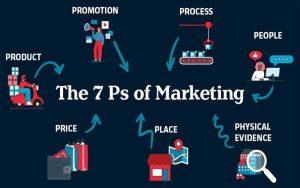
The 7Ps model is an extension of the traditional 4Ps, including:
Product – Price – Place – Promotion – People – Process – Physical Evidence
While the 4Ps focus primarily on the product, the 7Ps expand into customer experience and operations, making it particularly relevant for service industries and modern business models.
1. Product
Product is the foundation of all marketing activities. It is not only what a business sells, but also the value delivered to customers.
An effective product should:
- Address real customer needs
- Offer clear differentiation
- Be positioned appropriately within the target market
Key question: What are customers truly buying from your product?
2. Price
Price does not only reflect cost; it also communicates the perceived value of the product in the market.
Pricing strategy should consider:
- Customers’ willingness to pay
- Competitor pricing
- Perceived value
Lower price is not always better, alignment with brand positioning is what matters.

3. Place
Place determines how the product reaches customers.
It includes:
- Distribution channels (offline, online, omni-channel)
- Market coverage
- Purchase experience
Even a strong product can fail if distribution is ineffective.

4. Promotion
Promotion is how a business communicates with its customers.
It includes:
- Advertising
- PR
- Content marketing
- KOL/Influencer marketing
The goal is not just to gain attention, but to deliver the right message to the right audience

5. People
In service and customer experience, people play a critical role.
It includes:
- Employees
- Service quality
- Company culture
People represent the brand in the eyes of customers.
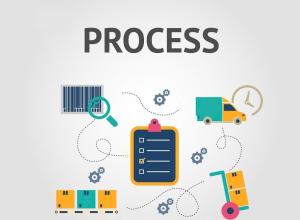
6. Process
Process refers to how a business operates to deliver its product or service.
A strong process should be:
- Clear
- Consistent
- Optimized for customer experience
Poor processes can break the customer experience, even if the product is strong.
7. Physical Evidence
Physical evidence refers to tangible elements that help customers perceive service quality.
It includes:
- Store environment
- Packaging
- Website and brand visuals
- Reviews and feedback
Physical evidence builds trust and reinforces brand perception.