



Consumer behavior is shifting faster than ever. Users are moving from keyword-based search to AI-driven conversations, making purchase decisions within entertainment environments, and interacting with brands across fragmented touchpoints.
As a result, traditional marketing frameworks are being redefined.
Understanding these shifts is no longer optional, it is critical to maintaining competitive advantage.
Below are 10 key digital marketing trends for 2026, helping organizations move from reactive execution to proactive market leadership in the AI era.
1. Search Everywhere Optimization
Insight
Search is shifting from keyword-based queries to conversational interactions powered by AI.
Implication
“Visibility” is no longer limited to search engine rankings. It now includes presence within AI-generated answers and discovery across platforms such as TikTok and e-commerce ecosystems.
What to do
Shift from keyword optimization to intent-based content, ensuring your brand is discoverable across AI interfaces and multi-platform search environments.

2. Video-Commerce
Insight
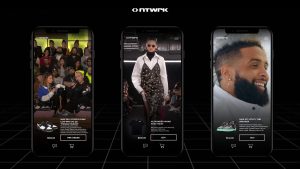
Video is evolving from a content format into a transactional channel.
Implication
With generative AI accelerating content production and AI avatars entering live commerce, video is becoming a scalable sales interface.
What to do
Integrate video into commerce journeys through shoppable formats, live checkout, and AI-assisted production workflows.
3. First-Party Data as a Strategic Asset
Insight
Third-party data is declining in reliability; first-party data is becoming the primary source of truth.
Implication
Organizations with strong first-party data capabilities gain a significant advantage in personalization and customer retention.
What to do
Invest in data infrastructure to enable hyper-personalized customer journeys and reduce dependency on external platforms.

4. Retail Media Networks (RMN)
Insight
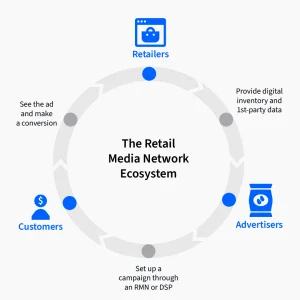
Retail platforms are becoming high-performance media channels.
Implication
RMNs offer closed-loop measurement, connecting ad exposure directly to purchase behavior at SKU level.
What to do
Integrate RMN into your core strategy, using retail data to optimize both media and product decisions in real time.
5. Creator Economy: From Promotion to Co-Creation
Insight
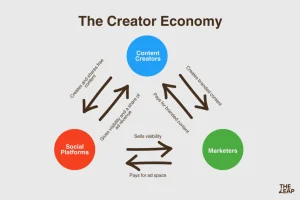
Traditional influencer marketing is losing effectiveness.
Implication
Creators are evolving into strategic partners, bridging the gap between community insight and brand execution.
What to do
Shift from short-term campaigns to long-term creator partnerships, involving creators in product and campaign development.
6. Community-Led Growth
Insight
Consumers increasingly seek belonging, not just products.
Implication
Owned communities and employee advocacy are becoming critical drivers of trust and loyalty.
What to do
Build and nurture owned communities, and activate internal voices to humanize your brand.

7. AI as the Operating System of Marketing
Insight
AI is moving beyond tools to become a system-level capability.
Implication
Marketing execution from media buying to personalization is becoming increasingly automated.
What to do
Redefine roles: focus on governance, brand safety, and system design, rather than manual execution.
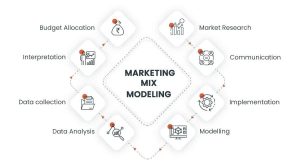
8. Marketing Mix Modeling (MMM) Resurgence
Insight
Traditional attribution models are losing effectiveness due to privacy constraints and device fragmentation.
Implication
MMM provides a more holistic and reliable view of marketing impact.
What to do
Adopt MMM to measure long-term brand impact, incrementality, and cross-channel effectiveness.
9. Gamification & Immersive Experiences
Insight
The “phygital” experience is redefining how consumers engage with products.
Implication
Technologies such as AR and virtual environments reduce friction and enhance conversion.
What to do
Incorporate interactive and immersive elements into the customer journey to increase engagement and purchase confidence.

10. Talent as the Ultimate Differentiator
Insight
As AI capabilities expand, human capability becomes the key competitive advantage.
Implication
Organizations must develop talent with hybrid capabilities.
What to do
Invest in three core skill areas:
- Data literacy
- AI fluency
- Cross-channel orchestration

Success in 2026 will not come from isolated campaigns or standalone technologies.
It will come from integrating data, AI, and human capabilities into a cohesive system.
Marketers are no longer just storytellers.
They are becoming architects of growth systems, designing how strategy, technology, and experience come together to drive sustainable performance.


